Aston and Cote Church of England Primary School
Stevens (Year 6)
Welcome to Stevens Class!
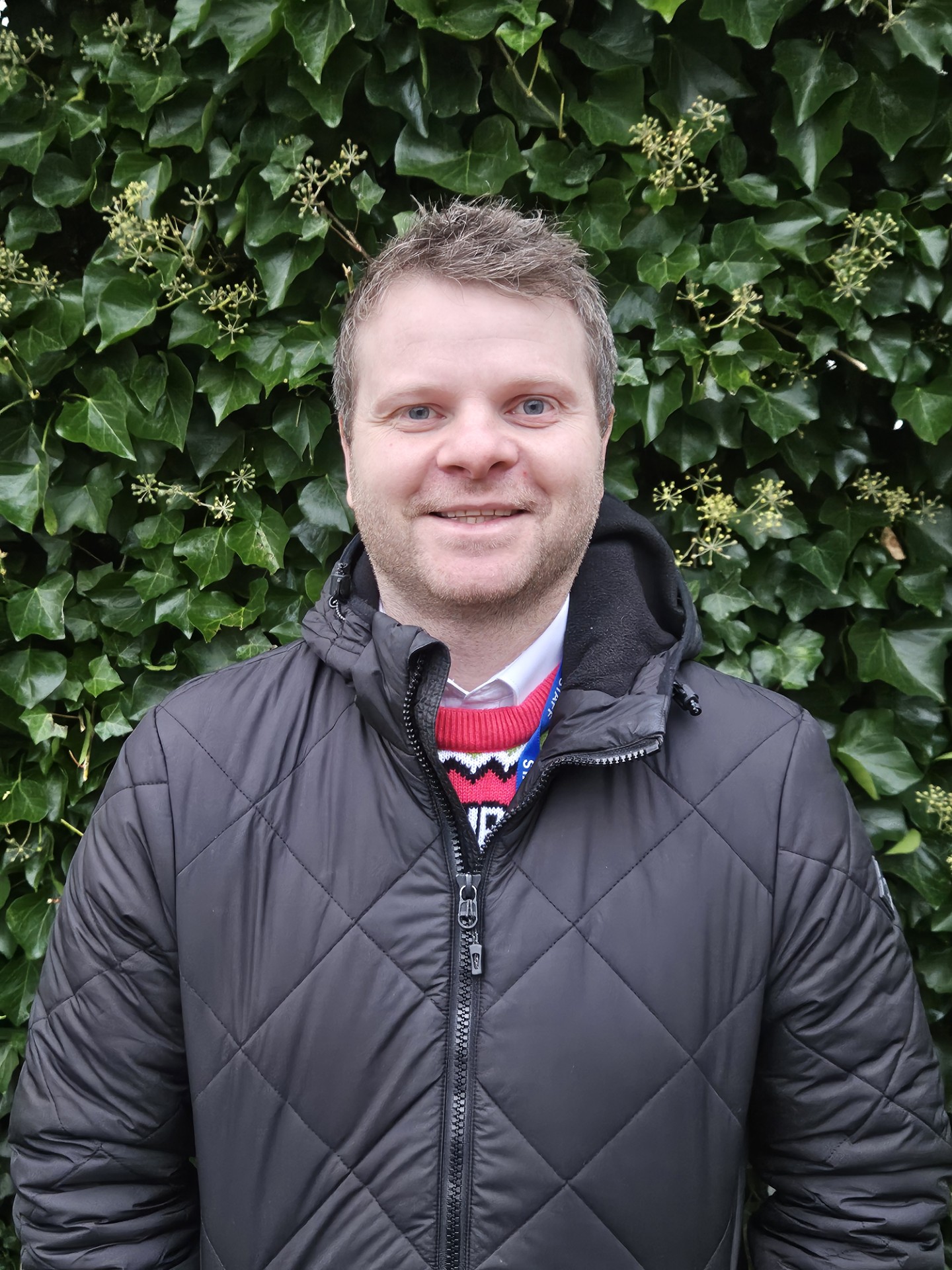
Class teacher
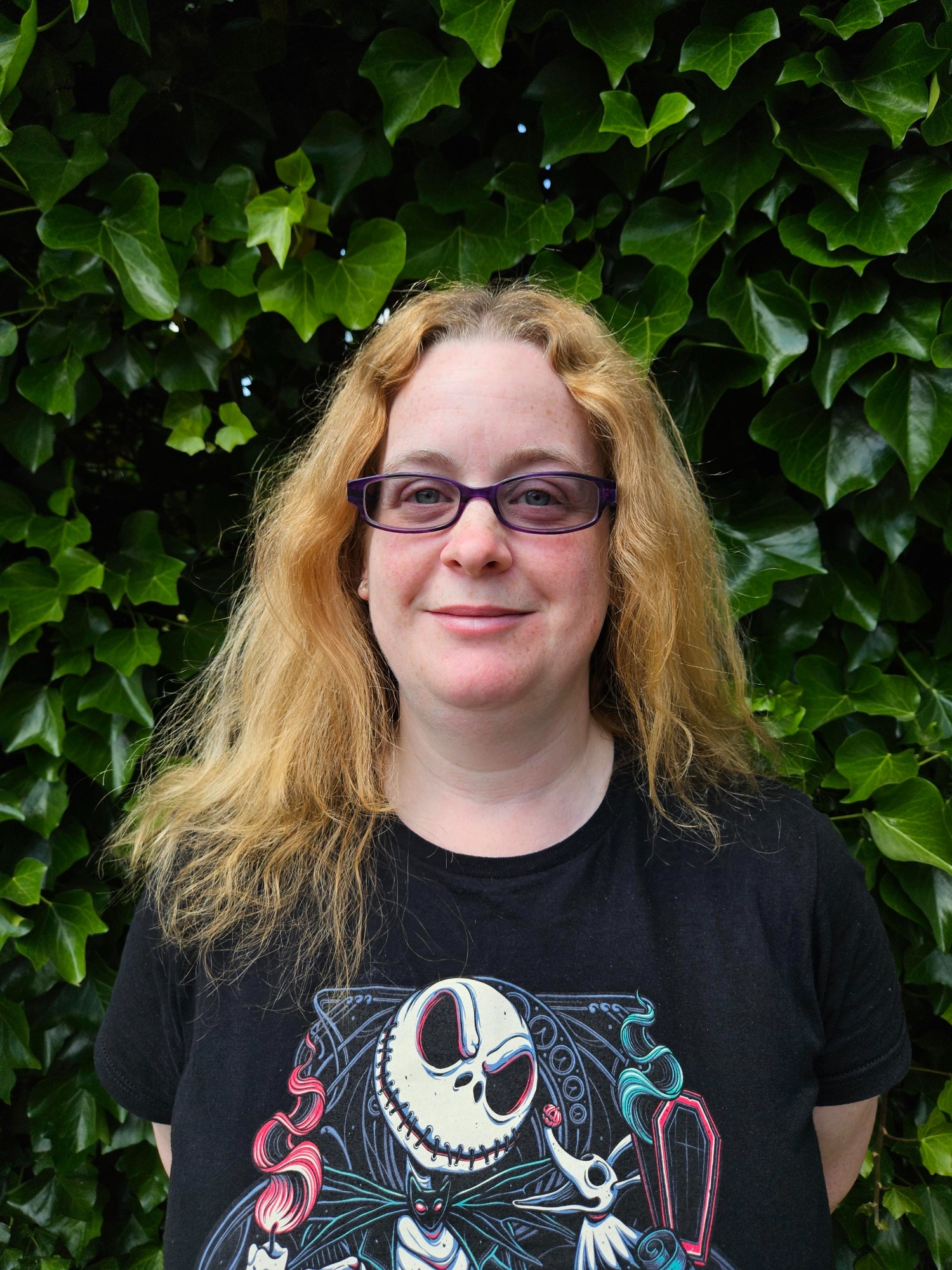
Class Teaching Assistant
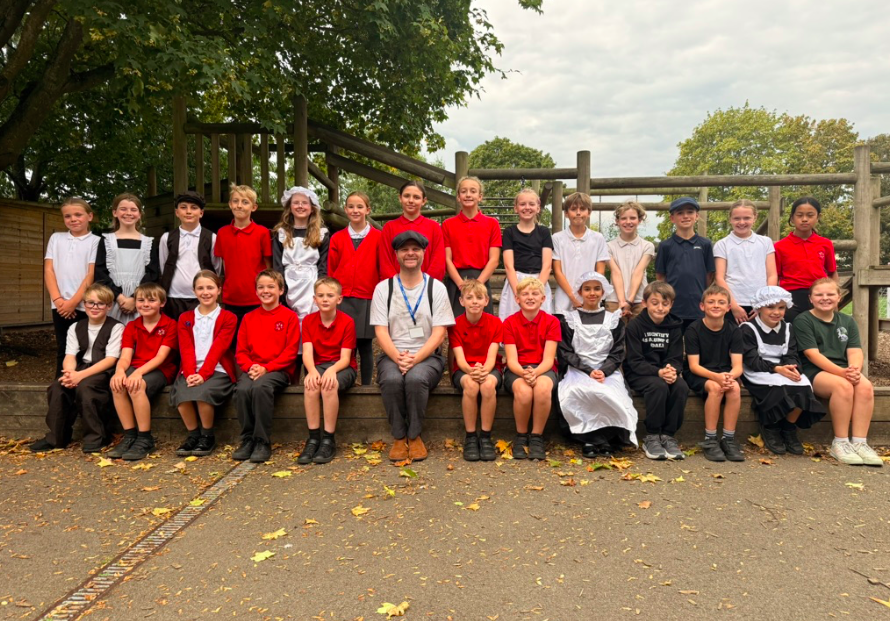
In Stevens class, we aim to ensure that the children reach their full potential by guaranteeing that they receive a tailored education that fills the gaps in their learning and builds on what they already know. We thrive to make all students ASTONishing learners. By giving the children a broad and balanced curriculum that progresses their understanding, we ensure that the children learn the substantive and disciplinary knowledge they will need to exceed in their next stage of education. All children are treated as unique individuals and they are given the chance to flourish by ensuring that they receive a sequential learning journey which is tailored for their needs.
In year 6, all children are given jobs that support the school, their development, their sense of pride and responsibility. Alongside our curriculum aims, we also teach the children how they can become valuable and respected members of our school community. Using the school values, we ensure that the children have the courage to be the best versions of themselves, treat everyone with respect, love and forgiveness and show honesty at all times. School is much more than academic success and we encourage all pupils to explore and grow their talents in a range of ways; both inside and outside the classroom.
Our Learning Journey
This term, our topic is ‘Going Global and Victorian Britain'. These units of work are economics around the world and the impact that it had on Great Britain and the world as a whole. The unit allows the children to develop and use their historical skills and apply what they have learnt to their reading and writing.
In writing, children will write diaries, newspapers, narratives, non-chorological reports and biographies. They will be applying a range of key Stage 2 writing skills, so their writing is engaging and informative for their intended audience. In reading, the core text is ‘Another Twist in the Tale'. The children will be taught how to retrieve complex information, understand unknown words (using a range of strategies), make complex inferences which are supported with a range of evidence, summarise what has happened in a text, predict what might happen based on what they have read and to evaluate author choices.
In history, children will learn how to connect and contrast trends over time, establish clear narratives and learn how to use appropriate historical terms. They will do this by building knowledge on why World War II began, who some of the key figures were, how the war impacted life at home, which countries were involved in the war and the Holocaust.
In art, children will be using sketches and paint to make pieces of art based on the works of LS Lowry. In DT, children will be given the chance to evaluate existing products before they design, make and evaluate their own Anderson Shelters.
In science, the children will be exploring a range of scientific enquiries across two units ‘The circulatory System’ and ‘Classification.
The maths learning will focus on place value, the four operations, percentages and fractions. Children will be given opportunities to develop their fluency in each aspect of the curriculum and will be given daily challenges where they can apply their learning to reasoning and problem-solving questions.
In computing, the children will learn to become ‘Amazing coders’ before learning how to create a range of spreadsheets.
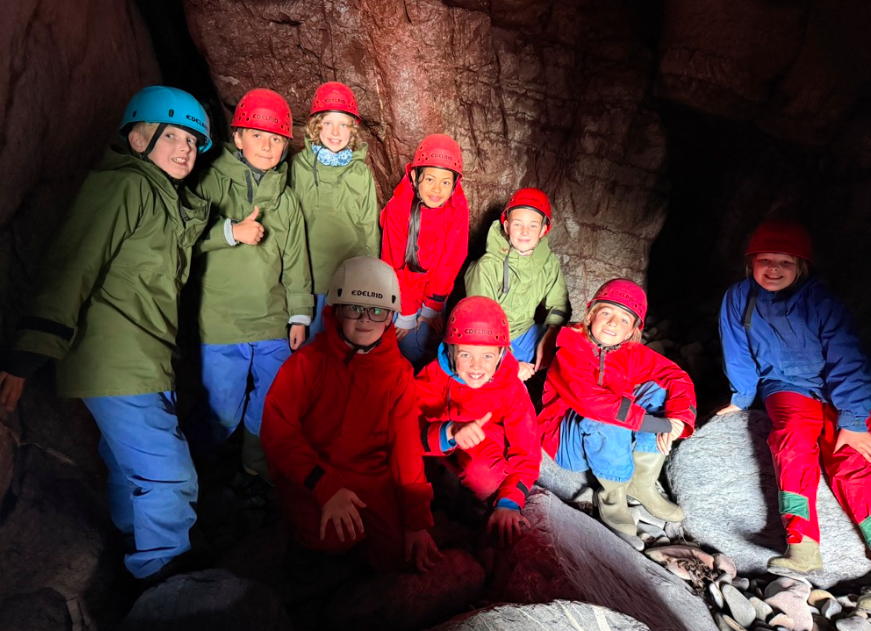
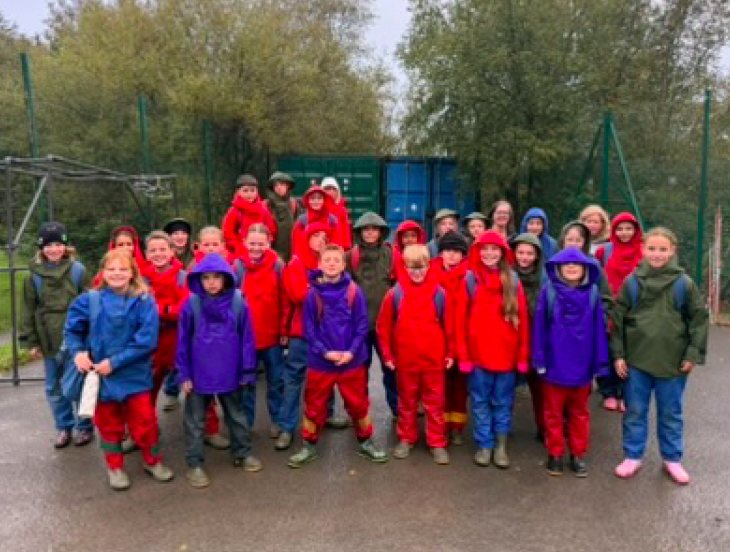
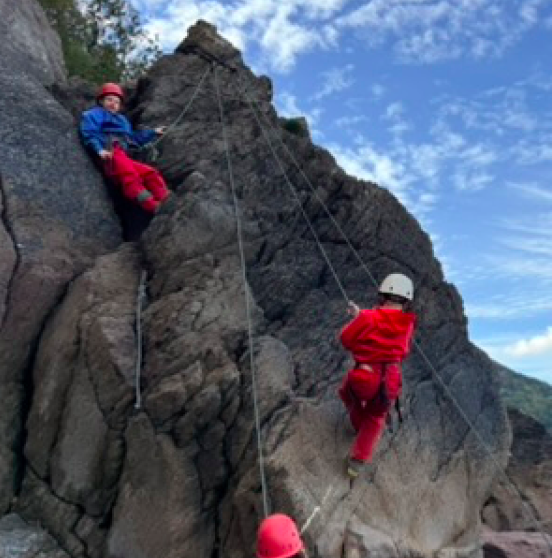
Yenworthy
Spring term
In the spring term, the children's unit of work will be: 'Sources of energy and climate change and The American Civil War'. In geography, the children will learn about different sources of energy such as fossil fuels and renewable energy sources. They will evaluate the impact that energy sources such as gas, coal and oil are having on the planet and explore environmental diasters. They will then look at projects that have been set up aimed to save the planet. In history, the children will explore the reasons behind the American Civil War and how slavery played a major role in the outcome of the war. They will evaluate how America has changed and how events from the past have impacted the present day.
In writing, the children will look at a range of texts and apply what they have been learning to the drafting, writing and editing of these texts. The children will develop their understanding of sentence structure and how they can use subordination, relative clauses and semi-colons to engage the reader and add more detail. They will also learn a range of descriptive techniques which will be applied to their narratives.
The class text for the term is 'Mortal Engines'. The children will use this text to help them develop their understanding of retrieval, vocabulary and inferences. Children will use a range of evidence from the text to support or refute a given inference as well as making their own inference.
In maths, the children will build on their knowledge of fractions. They will learn to add and subtract fractions which have different denominators as well as mixed numbers. The children will learn how to multiply and divide fractions; applying this to a range of reasoning and problem-solving activities. The children will also develop their understanding of shape, statistics and be introduced to algebra.
In science, the children will learn all about light and evolution. They will apply the substantive knowledge the learn to a range of scientific enquiries including fair tests, observations and classification.
Outside the classroom, the children will go on a school trip the Oxford fire station where they complete the 'Junior Citizens' project. This projects teaches the children how to respond in a range of dangerous situations. The children are given the opportunity to make real 999 calls and what happens when they do so.
Summer Term
In the summer term, the year 6 topics will be: 'North America and World War II'.
In reading, writing and maths, the children will recap the topics that were taught in the autumn and spring terms. They will apply their knowledge to a range of reasoning and problem-solving activities aiding them to get ready for the end of Key Stage 2 SATs. In writing, the children will be given the opportunity to apply what they have learnt to a range of fiction and non-fiction texts.
In geography, we will be studying North America and comparing the human and physical features of North America to the United Kingdom. The children will learn how the process of erosion creates landforms, explore the key factors that have affected the development of an area, identify the causes and consequences of flooding and understand the factors which influence a population.
In History, the children will be studying World War II. We will be looking into aspects such as the Blitz, Rationing, Evacuation and the jobs people had to do. We will also be using maps to identify areas in Britain affected in different ways by the war, like cities what were bombed and rural areas that were used for food production and havens for children.
In science, will be beginning a module on electricity (conductivity, circuits, diagrams and symbols) and then starting to look at the Stunning Science module “We are dinosaur hunters,” which focuses on investigations techniques. We will also be working outside carrying out investigations and improving our skills for working scientifically.
In R.E. we will explore two topics over the next term. The first will be an exploration of Islam and the question “What is the best way for Muslims to show their commitment to God?” The second will be an examination of the idea of “Salvation” in both Christianity and other faiths. In addition we will be reflecting on the talents that God has given us and exploring ways to grow them.
The summer term is also the term that the children will participate in the school play. All children in year 6, will be given the opportunity to audition for a role and perform to an audience in the Shed.